Emergency Heart Care Helps Joan Celebrate Life’s Big Moments
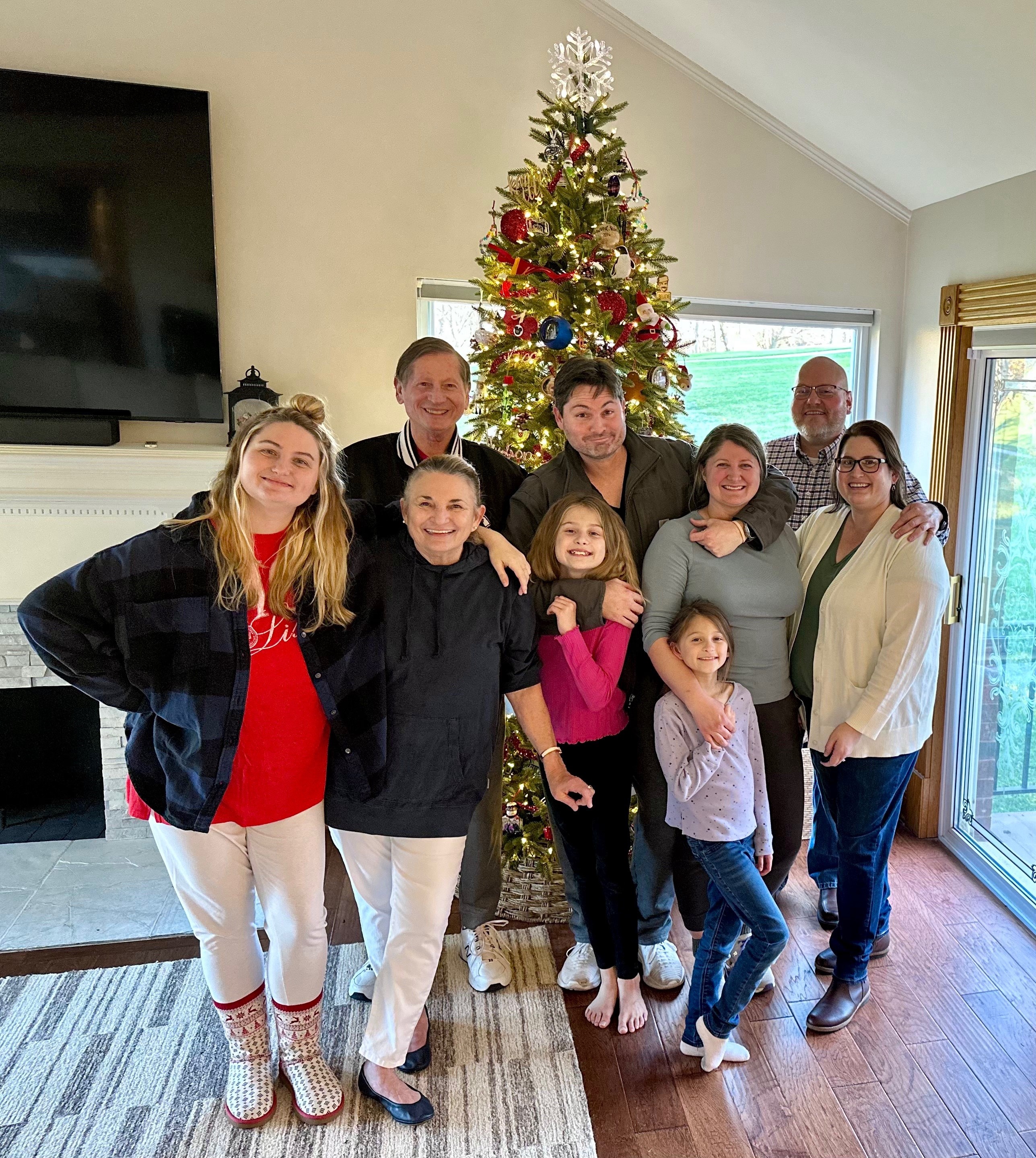
When 74-year-old Joan Hildebrandt arrived at the Emergency Department at Saint Luke’s East Hospital, her heart was the last thing on her mind.
For several weeks, she had been experiencing a nagging pain in her jaw. She thought it might be an issue with her dental implants, but X-rays at her dentist’s office revealed nothing. The pain was manageable, so Joan carried on as usual—until June 2, 2026, when she woke up with severe jaw pain that made her morning routine impossible.
“I thought it might be a jaw infection, but I couldn’t be sure,” Joan says. “Whatever it was, I knew I needed to get checked out, so my husband and I went to the ER.”
Finding the cause
At the Emergency Department, Joan’s team quickly determined that a dental issue wasn’t to blame. After a quick battery of tests, they recognized something far more serious: a heart attack.
Joan was stunned. Even with a family history of heart disease, Joan didn’t connect her symptoms to her heart. Her care team explained that the heart shares nerve pathways with the rest of the upper body, so jaw pain can be a rare symptom of a heart attack.
“I didn’t have any chest pain, shortness of breath, or anything like that,” Joan says. “A heart attack was the last thing on my mind.”
In fact, women are more likely than men to have a “silent” heart attack, one without clear signs or symptoms unrelated to chest pain. At the Saint Luke's Muriel I. Kauffman Women's Heart Center, cardiologists work to help women understand their true risk of heart conditions and identify these lesser-known symptoms.
"Women are more likely to have atypical symptoms of a heart attack, rather that the classically-described central chest pain or sensation of an elephant sitting on the chest,” says Elizabeth Grier, MD, a board-certified and fellowship-trained cardiologist with Saint Luke’s Cardiovascular Consultants. “Women can present with more vague symptoms like shortness of breath, nausea, extreme fatigue, or pain in other locations like the shoulder, neck or jaw. It is important for them to remain vigilant and seek emergency care for the sudden onset of these symptoms."
Treating the blockage
Joan was admitted to Saint Luke’s East, where she met with Dr. Grier about her care plan. Dr. Grier is an interventional cardiologist who specializes in the invasive treatment of coronary and valvular heart disease. One of Joan's coronary arteries was completely blocked and she would need an emergency procedure to open this back up, but after meeting with her team, Joan knew she was in good hands.
“Dr. Grier introduced herself and told me everything that was going to happen next,” she says. “She said she would take care of me, and that’s exactly what she did.”
Dr. Grier performed a minimally invasive procedure to place a stent in Joan’s blocked artery and restore blood flow to the heart muscle. This procedure is called an angioplasty and involves inserting a thin tube into the blocked artery, inflating a small balloon to widen the artery, and inserting a small metal mesh tube to keep the artery open and allow blood to flow through it. During the procedure, Dr. Grier discovered an additional blocked artery, and Joan returned the following day to treat that as well.
After three days in the hospital, Joan was discharged and free to return home to her family and begin her recovery. Recovery after a stent procedure typically involves preventing blood clots through medication, completing a cardiac rehabilitation program, and adopting a heart-healthy diet and lifestyle.
Looking ahead
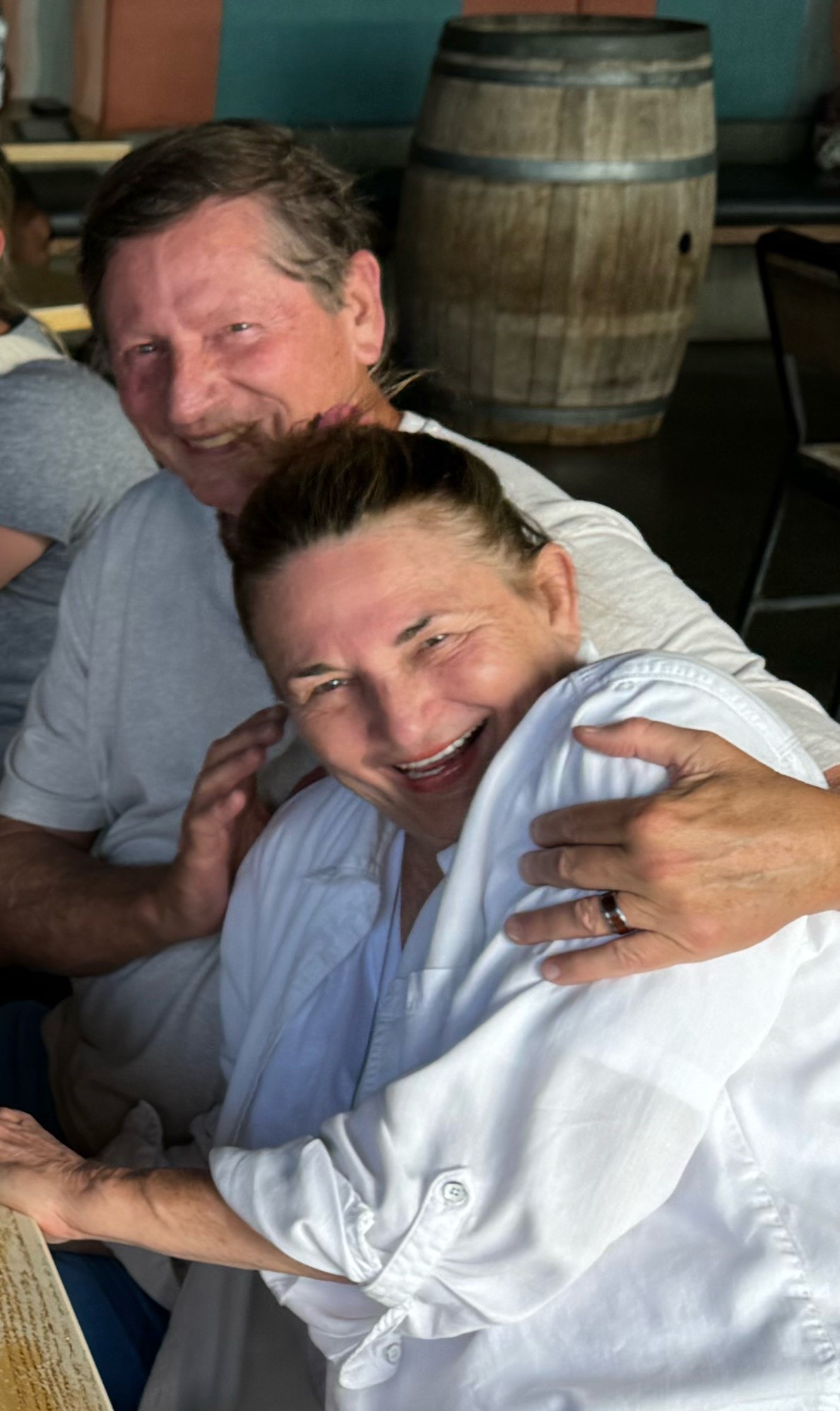
Today, Joan is thrilled to share that she’s feeling well. She’s got a house full of projects she hopes to tackle in the coming months, and she’s enjoying retirement life with her husband, Mike.
“We’re celebrating 50 years of marriage this month,” Joan says. “That’s only possible because of the care and intervention of my team at Saint Luke’s. They woke up that morning not knowing they were going to save someone’s life, but they did, and I’m so grateful for that.”
As a retired nurse, Joan hopes her story will remind others that health emergencies present themselves in all sorts of different ways—and to always listen to your body.
“I hope people realize how precious life is,” she says. “If sharing my experience helps even one person seek care for a nagging issue, it’s worth it.”
About Saint Luke’s East
Saint Luke’s East Hospital has expanded every year since opening its doors in 2006 to bring leading-edge care to the Lee’s Summit community and beyond. In addition to a 24-hour Emergency Department, patients have access to lifesaving heart and stroke protocols developed by the world-renowned Saint Luke’s Mid America Heart Institute and Saint Luke’s Marion Bloch Neuroscience Institute.
Relevant News
Patient Stories
Walking a New Path: How One Patient Turned Pain Into Passion
Patient Stories
16,000 Steps A Day: Gina’s Bariatric Surgery Transformation
Patient Stories
Wife’s Quick Thinking Helps Husband
Patient Stories
Healing in Harmony: How Music Helped Bob Recover After Stroke
Patient Stories
Runner Finishes Half Marathon 144 Days After Heart Surgery
Patient Stories