A Picture of Optimism: How Saint Luke’s Collaborative Approach to Cancer and Heart Care Empowers a Bucket-List Adventurer
After the cancer treatment John needed threatened his heart, Saint Luke’s Cardio-Oncology program provided a solution
7 minutes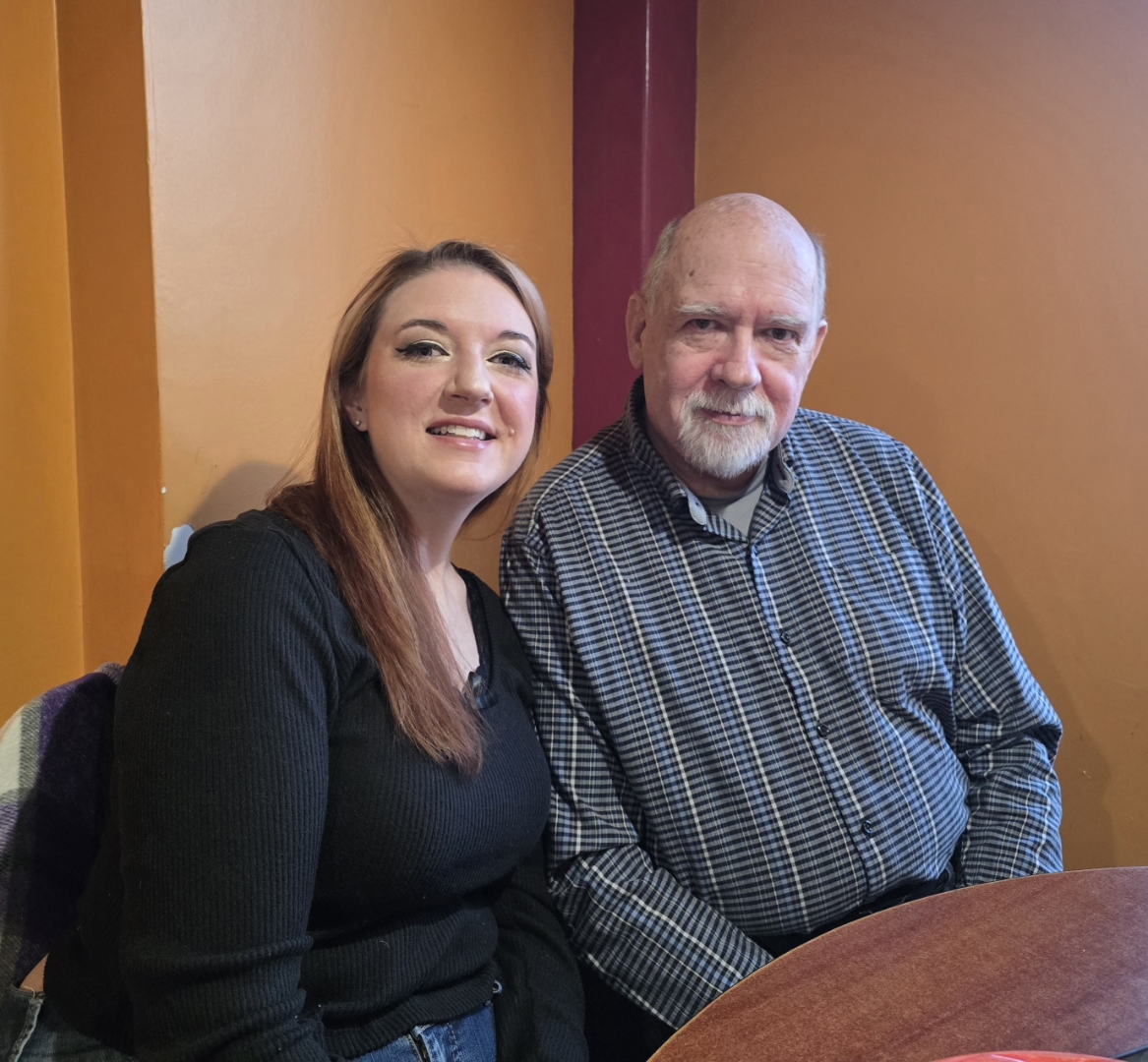
When amateur photographer John Romero reaches for his camera while traveling, the result is more than a stunning picture.
Frame by frame, a promise the 68-year-old husband and father made to himself comes into focus: John refuses to let his Stage IV cancer diagnosis overshadow his appetite for adventure.
“I’m doing the bucket list,” he says. “My wife, Judy, and I have been to Iceland to see the aurora borealis. Our oldest son lives in Australia, so we went there with him and did some photography. We’ve been to Zion National Park in Utah. The point is to get out and do things. Don’t let cancer control your life.”
John’s outlook is supported by the coordinated, collaborative care he receives at Saint Luke’s, where specialists from Saint Luke’s Cancer Institute and Saint Luke’s Mid America Heart Institute work together to help him navigate a treatment journey that started nearly five years ago. Back then, many in John’s position would have found his sense of optimism impossible to share. His diagnosis was just one reason.
A dad’s nightmare
If there’s something more frightening for a father than learning he has cancer, it’s hearing that his child does, too.
In 2021, John received back-to-back blows.
After feeling no symptoms, he underwent a routine colonoscopy that revealed advanced colorectal cancer.
Less than a month later, his daughter, Allison, sought care for what she figured was lingering flu. After a series of exams, Allison, 34, was also diagnosed with colorectal cancer.
“It’s like getting hit with a bat,” John says.
John’s career as a national service specialist with a medical equipment provider who specialized in imaging technology helped him quickly grasp the gravity of the situation.
Allison’s Stage IV cancer, which had spread to her liver, was believed to be treatable.
John’s cancer, which had spread to his peritoneum, the tissue lining the abdominal wall and covering many abdominal organs, was more complicated. His treatment would focus on controlling the disease and extending his life.
Together, father and daughter turned to Saint Luke’s Cancer Institute for care, a decision they would come to appreciate many times over the years.
The first reason arrived quickly.
An early obstacle
For both John and Allison, the initial step in their respective treatments was chemotherapy, which uses cancer-fighting medication taken orally or intravenously to halt the growth of cancer cells.
“We were known in treatment as the Romeros,” John says. “It stinks having to go through chemo, but going through it with family, there’s a lot of support.”
“Cancer is a terrible disease and scary as heck,” says Allison. “But my dad always joked that he got it first, saying I could handle it because he handled it. I’m a daddy’s girl by nature, and this was a unique bonding experience. We got really close during that time, and we still are.”
What went smoothly for Allison, who was declared cancer-free two years ago, quickly became another scare for John.
Within a week of his first IV chemotherapy treatment, sudden and severe chest pain sent him to the Emergency Department. He feared something was wrong with his heart. He was right.
Folinic acid, fluorouracil, and oxaliplatin (FOLFOX) is a common and effective chemotherapy regimen used to treat colorectal cancer. In a small percentage of patients, however, it can cause heart-related side effects that are difficult to predict.
John experienced a coronary spasm shortly after his first chemotherapy infusion. The intense chest pain he felt was caused by a sudden tightening of the blood vessels that deliver blood to the heart. A coronary spasm is not a heart attack, and it usually goes away once the medicine that caused it stops being administered. But if ignored, coronary spasms can increase the risk of heart attack and other heart complications.
John’s care had reached a crossroad. If the most effective treatment for someone’s cancer makes their heart flash warning sign, what now?
A culture of collaboration
Enter Saint Luke’s Cardio-Oncology program, one of fewer than 10 such programs in the nation, where Saint Luke’s Mid America Heart Institute cardiologists provide personalized cardio-oncology care while working closely with Saint Luke’s Cancer Institute oncologists to protect patients’ heart health during cancer treatments.
"Cardiac issues with cancer treatment are still often unrecognized,” says Deepthi Vodnala, MD, a board-certified cardio-oncologist and co-medical director of Saint Luke’s Cardio-Oncology program. “Up to 25% of cancer patients experience cardiac side effects. That is why we established the Cardio-Oncology program at Saint Luke’s, to screen patients and help them receive cancer treatments without developing heart disease. We collaborate with our oncologists, who can identify patients at high risk for cardiac side effects. Our primary goal is preventive cardiology. We work to get their risk factors under control and perform tests to detect injuries before symptoms develop. And for those with preexisting cardiac conditions, we optimize care with medication or procedures to give them the best chance of success in their cancer treatment.”
Dr. Vodnala and members of John’s care team immediately paused his chemotherapy and collaborated to plan a path forward, one they hoped could both protect his heart and make it possible for him to resume receiving FOLFOX, the chemotherapy regimen best suited to treat his cancer. John received modifications to other medicines he was taking, including one meant to control his blood pressure that he was on before his cancer diagnosis. Moving forward, how John took his non-chemotherapy medications would be determined by when his next chemotherapy treatment would occur.
“I would describe what we have at Saint Luke’s as a unique culture of collaboration that I haven’t experienced elsewhere,” says Marc Roth, MD, Saint Luke's medical director of gastrointestinal oncology. “For patients who are being treated for cancer and experience cardiac side effects, you have to stop the cancer treatment. But that cancer is still active, so we have to move fast. We have developed ways to get cancer patients in front of cardiology providers quickly and determine how to manage these side effects appropriately. At many other places, if you had the side effect John had, you would just not get this chemotherapy drug. That’s tragic. This is the most effective chemotherapy in all gastrointestinal cancers, and the best-tolerated as well.”
Using the new plan, John was slowly reintroduced to chemotherapy using a process called a 5-fluorouracil (5-FU) rechallenge protocol. He was closely monitored for signs of another negative response to FOLFOX. This time, there were none.
“In John’s case,” says Dr. Vodnala, “we were able to resume his cancer therapy without risking his heart.”
“I haven’t had any recurrence of heart issues,” John says. “It was a surprise for me that Saint Luke’s had a dedicated cardio-oncology team with this level of specialization. You don’t see that kind of group together very often.”
“Don’t let it win”
John’s ability to receive the most effective chemotherapy regimen for his condition has helped him balance treatment and travel.
He’s had three rounds of chemotherapy and six surgeries to remove tumors before they could spread.
“I’m more than four years into this now, and I’m doing well,” John says. “The team is helping me go through it.”
His most recent operation once again demonstrated the collaborative nature of Saint Luke’s doctors.
Megan McNally, MD, a Saint Luke’s surgical oncologist, and Lucas Hockman, MD, a Saint Luke’s urologist, teamed up to successfully remove a tumor located near John’s right kidney, ureter, and surrounding blood vessels. Scans and tests that followed showed that, as of February 2026, John was displaying no evidence of active cancer. Given his diagnosis, recurrence remains possible, and his team continues to monitor him closely.
“It’s the level of confidence you get from them,” John says about his doctors. “It’s the confidence of having an entire team come together to help you. I just really like them.”
The feeling is mutual.
“He’s just a joy to be around,” Dr. Roth says about John. “He’s an optimistic, positive guy. Everybody in the clinic enjoys him, including myself.”
John retired soon after he received his cancer diagnosis, but kicking up his feet was of no interest to him. Neither was making his cancer and its treatment the center of his world. Not when the world offers so much else to see.
“If you sit back and let it, the cancer will take your life,” he says. “I refuse to accept that. I’m just going to continue to do what I do. You’ve got to push through it. Don’t let it win.”
It’s a mantra he lives by, and he’s got the pictures to prove it.
Learn more about Saint Luke’s Cardio-Oncology program.
Symptoms to know
Many symptoms experienced during cancer treatments also may be associated with a decrease in heart function.
Some possible indicators of heart problems include:
- Fatigue
- Shortness of breath while walking or at rest
- Waking up short of breath
- Swelling in the legs
- Chest discomfort, including dull or sharp pain, tightness, or pressure
- Heart palpitations
If you are undergoing or have undergone cancer treatment, talk to your oncologist about a referral to cardio-oncology.
Signs and symptoms of colorectal cancer
Colorectal cancer often causes no symptoms early on, which is why routine screening is critical. Most people should begin screenings at the age of 45. If you have an increased risk for colorectal cancer, including family members who have had cancer, your doctor may advise you to start screenings earlier.
The most common signs of colorectal cancer include:
- Changes in bowel habits
- Blood in the stool or rectal bleeding
- Abdominal pain or cramping
- Persistent fatigue or weakness
- Unexplained weight loss
- Anemia
- A feeling that the bowel will not fully empty
If you have any of these symptoms and they persist, talk to your doctor. With colorectal cancer, early detection dramatically improves outcomes.
Relevant News
Patient Stories
Wife’s Quick Thinking Helps Husband
Patient Stories
Emergency Heart Care Helps Joan Celebrate Life’s Big Moments
Patient Stories
Healing in Harmony: How Music Helped Bob Recover After Stroke
Patient Stories
Runner Finishes Half Marathon 144 Days After Heart Surgery
Patient Stories
Gastric Bypass Journey Opens Door to New Adventures
News